
Used Cars & Inspections inspection
Are flood cars really that bad, and how do you spot one?
The short answer
Yes, flood damage is genuinely serious: water reaches wiring, airbags, and computers, and problems can surface months or years later. Spot it with a musty smell, water stains under carpet or in the trunk, corrosion on unpainted screws or under the dash, and a vehicle history report checked against NHTSA's free recall lookup. An independent inspection, typically $100 to $300, is the most reliable way to confirm suspicions before you buy.
Assumes: United States market · Applies to any vehicle with possible flood exposure, not just cars with a declared flood title · Some flood damage never gets reported and won't show on a history report
Prices, incentives, and inventory change frequently and vary by region and dealer. Every figure on this page was verified on July 28, 2026 and is an estimate for the United States market, not a quote or an offer.
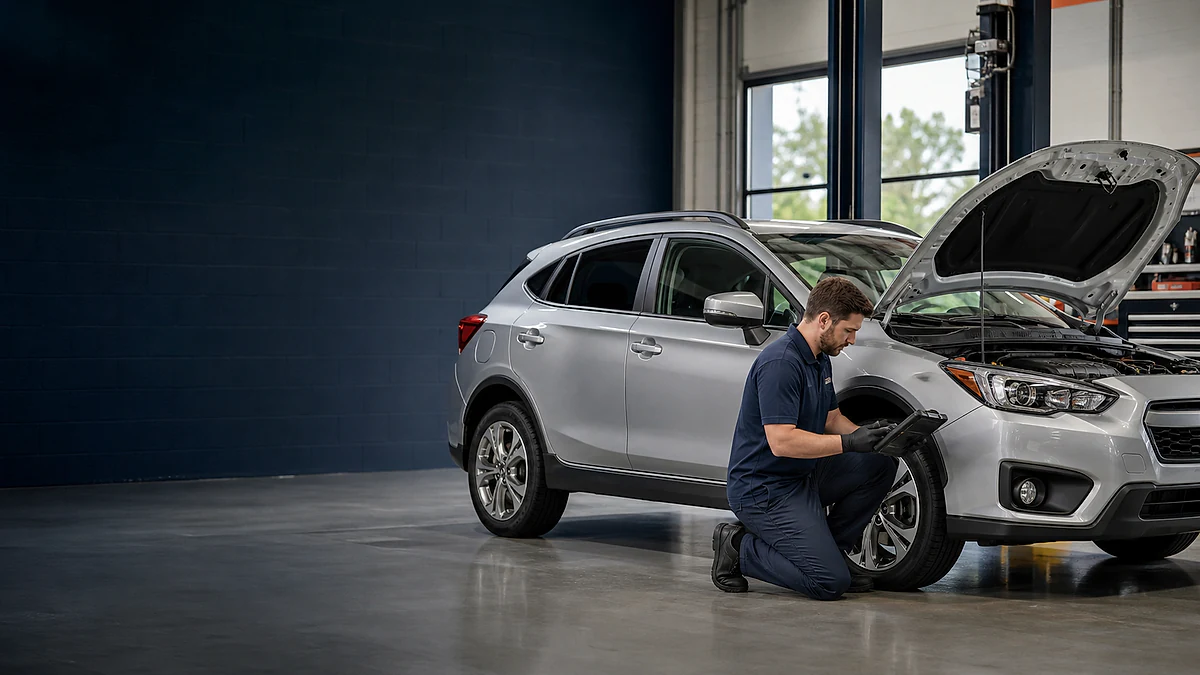
Yes, and it is worse than it looks
A flood car is not just a car that got wet once. Modern vehicles route electrical connectors, sensors, and computer modules low in the body, exactly where floodwater sits longest, and corrosion from that exposure does not always show up right away. A car can drive and start fine at the moment of sale and start throwing intermittent electrical faults, airbag warning lights, or module failures months or years later, once corrosion has had time to work. That delayed timeline is what makes flood damage a genuinely different risk than a typical collision repair.
How to spot a flood car: the checklist
- A musty, moldy smell, or the opposite, an unusually heavy air freshener or new-carpet smell that seems aimed at covering something up.
- Water stains or discoloration on carpet, seat fabric, door panels, or the headliner.
- Mud or silt in places rain or a spilled drink would never reach: under the spare tire, inside the trunk’s spare-tire well, in door sills, or in glovebox tracks.
- Rust or corrosion on unpainted metal, screws, brackets, seat-track rails, or components under the dash, spots that shouldn’t corrode unless they were submerged.
- Carpet that looks or feels newer than the rest of the interior, a common sign of a post-flood replacement.
- Fogging or moisture inside headlight or taillight lenses.
- Electrical gremlins: warning lights that come and go, power windows or locks acting up, HVAC behaving erratically, none of which the seller can fully explain.
The spots sellers forget to clean
A hurried cleanup usually misses the same places: under the seats and along the seat-track bolts, inside the glovebox and its hinges, the trunk’s spare-tire well, and the area under the dash near the pedals. Check these specifically rather than trusting a car that merely looks and smells clean at a glance.
Where flood cars come from, and why they travel
Most flood-damaged vehicles enter the used market after a large-scale weather event, when insurers total a large number of cars at once. Many get bought at salvage auction, cleaned up to varying standards, and resold, sometimes far from where the flooding actually happened. That’s exactly why a car for sale in a landlocked market can still carry flood history if it changed hands, or states, somewhere along the way. Don’t assume your region is automatically safe from this just because it doesn’t flood.
Test the systems, not just the smell
Beyond the visual and smell checklist, actively cycle everything: every window and door lock through a full range, the horn, every interior light, the wipers, and the infotainment system through its major functions. Flood-related electrical faults tend to show up as one specific system behaving oddly rather than an obvious, across-the-board failure, which is exactly why testing each system individually matters more here than on an ordinary used-car check.
Why the paperwork alone is not enough
A vehicle history report is genuinely useful, and pulling one is standard FTC-recommended due diligence for any used car. The honest caveat: not every flood-damaged car gets a reported insurance claim, especially cars fixed up and quietly sold rather than declared a total loss. A clean-looking report reduces risk, it does not eliminate it. Pair the report with your own physical inspection and a check of NHTSA’s free recall lookup for anything outstanding on the VIN.
Get a professional to confirm what your nose and eyes suspect
| Item | Typical range |
|---|---|
| Independent shop pre-purchase inspection | $100 to $300 |
Figures verified 2026-07-24. A shop familiar with flood inspection will check connectors, relays, and wiring harnesses a visual walk-through can miss.
A mechanic knows exactly where corrosion hides on a specific model, connectors, relays, wiring harnesses low in the engine bay, and can check them directly. If you have any suspicion at all, that inspection fee is cheap compared to chasing electrical gremlins for years afterward.
Walk-away signals
- Any confirmed water line, mud, or silt in a hidden compartment.
- A musty smell that air fresheners clearly can’t fully cover.
- Multiple minor electrical issues the seller waves off as “just needs a fuse” or “does that sometimes.”
- A seller who is vague about the car’s location or history during a known flood event and has no documentation to clear it up.
- A refusal to allow an independent inspection focused specifically on flood indicators.
- A seller unwilling to let you check under the carpet or seats, a reasonable request that a seller with nothing to hide has no reason to refuse.
A note on timing after a major storm
Be more cautious than usual in the months following a large regional flood event, whether or not the car you’re looking at is local to that event. Damaged vehicles from a single flood can surface in used-car listings well outside the affected region once they’ve been cleaned up and moved through auction. A car’s current location tells you very little about where it actually spent the storm, which is exactly why the physical checklist above matters regardless of where you’re shopping.
Got a VIN or a specific concern? Book a call, I’ll help you think it through before you buy.
Next steps
Trust your nose first, then your eyes, then a professional. If anything on this list raises a question, book an independent pre-purchase inspection before you go further, and treat a confirmed flood history as a reason to walk rather than negotiate.
Sources
- FTC used-car guidance: get a vehicle history report and chec
- A professional pre-purchase inspection typically runs about
- NHTSA recall lookup by VIN
Facts on this page were last verified on .
Independent publication: the author works at Honda of Greenville, but this isn't an official Honda of Greenville or Honda Motor Co. page, and neither reviews, approves, or pays for its content. Content is educational, not mechanical, legal, or financial advice. Verify safety-critical items with a qualified technician and recall status by VIN.