
Used Cars & Inspections inspection
Is a pre-purchase inspection worth it?
The short answer
Yes, in almost every case. A professional pre-purchase inspection typically runs about $100 to $300, a small price against the cost of a hidden transmission or frame problem. Pair it with a vehicle history report and an open-recall check, standard due diligence per the FTC, before you sign anything. If a seller refuses to allow one, treat that refusal as your answer and walk away.
Assumes: United States market · Independent shop of your choosing, not one picked by the seller · Inspection prices vary by region and vehicle complexity
Prices, incentives, and inventory change frequently and vary by region and dealer. Every figure on this page was verified on July 28, 2026 and is an estimate for the United States market, not a quote or an offer.
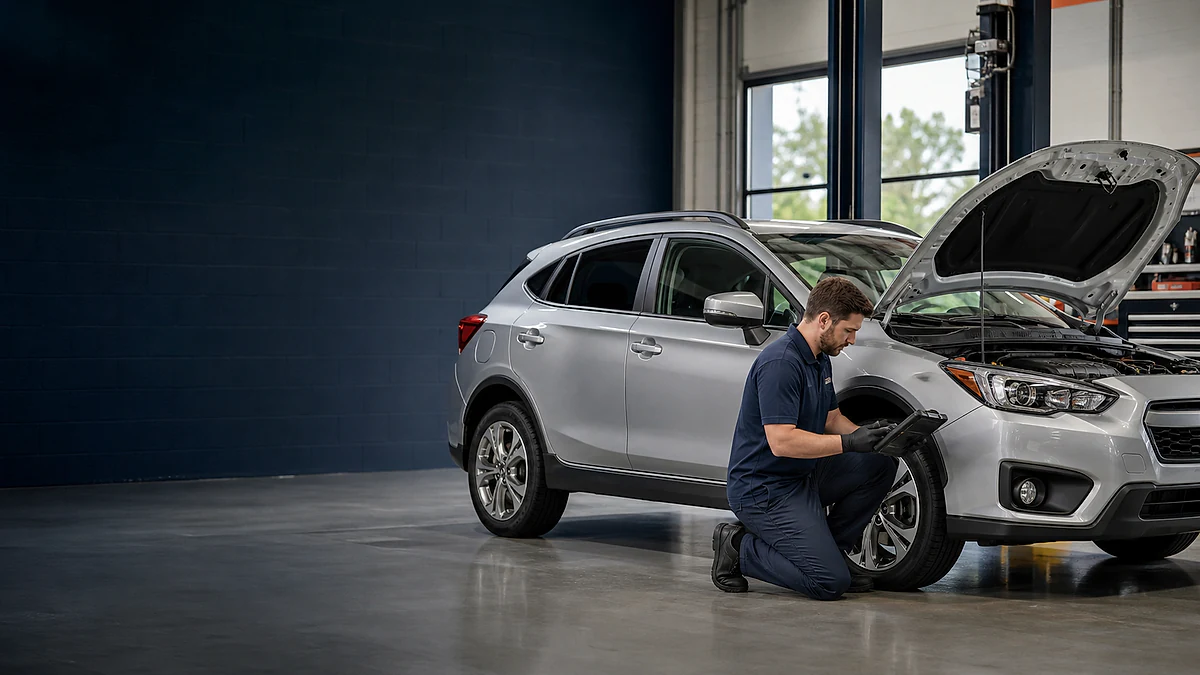
Yes, almost always, and here is the math
A professional pre-purchase inspection typically runs about $100 to $300. Weigh that against a single hidden problem, a slipping transmission, a leaking head gasket, frame damage from a prior wreck, and the math settles itself fast. You are not paying a mechanic to declare the car perfect. You are paying for one independent set of eyes whose only job is finding reasons this specific car might be a bad idea, before that opinion costs you the price of the car itself.
What the inspection actually covers
A real pre-purchase inspection is not a test drive with extra steps. It is a structured walk through the parts you cannot judge from the driver’s seat:
- Engine and drivetrain: a scan for stored diagnostic codes, a compression or leak-down check, fluid condition, and evidence of past leaks or amateur repairs.
- Frame and structure: signs of prior collision repair, aftermarket paint, panel gaps that vary side to side, or frame rail damage.
- Brakes and suspension: pad and rotor wear, worn bushings and ball joints, and anything that explains a pull or a shudder under braking.
- Electronics: every switch, sensor, warning light, and safety system, checked rather than assumed to work.
- Tires: wear patterns across each tread, which say as much about alignment and suspension health as they do about tire life.
- Paperwork: confirming the VIN on the dash, door jamb, and title all match, with no signs of alteration.
What it costs, and what you get for it
| Item | Typical range |
|---|---|
| Independent shop pre-purchase inspection | $100 to $300 |
Figures verified 2026-07-24. Exact price depends on region, shop, and vehicle complexity. Confirm the number before booking.
That fee buys a written list of findings you can use three ways: walk away, renegotiate against specific line items, or buy with your eyes fully open. Every one of those outcomes beats discovering the same problem the week after you sign.
The walk-away signal built into this step
The most useful outcome of asking for a pre-purchase inspection often is not the report itself, it is the seller’s reaction to the request. A seller with nothing to hide has no reason to block an independent inspection at a shop of your choosing. A seller who stalls, insists on their own mechanic, or refuses to let the car leave the lot has already told you what you needed to know. Across the desk, this is the single fastest deal-ender there is, and it should be.
Independent means independent
The inspection only holds its value if the shop has no relationship with the seller. That rules out a mechanic the seller “recommends,” a shop tied to the dealership, or a friend of a friend of the owner. Look instead for an independent shop, ideally one that knows the make, and be present for the inspection or ask for the full written report, not a verbal summary.
How findings turn into leverage
Every item on the report becomes a specific, dollar-figure line you can raise with the seller, rather than a vague complaint. A worn component becomes a defined repair cost you can ask the seller to either fix before closing or credit against the price. That specificity is the real value of paying for the inspection: it turns “this car feels a little off” into a number both sides can negotiate around, or a clear enough problem that walking away is the obvious call.
Mistakes that undercut the inspection
- Letting the seller pick the shop. Even a well-meaning seller’s suggested mechanic has a relationship with that seller you don’t have.
- Skipping it because the car “seems fine.” Cars that seem fine on a short test drive are exactly what this step exists to double-check.
- Not requesting the full written report. A phone call summary from the shop loses the specifics you need for negotiation.
- Treating a clean report as a lifetime guarantee. It’s a snapshot of the car’s condition on inspection day, not a promise about what happens next.
What it does not replace
A pre-purchase inspection is not a substitute for the other checks the FTC recommends before buying a used car: pulling a vehicle history report and running the VIN through NHTSA’s free recall lookup. History and recalls tell you what happened to the car on paper, accidents, past owners, outstanding safety fixes. The inspection tells you the car’s actual mechanical condition today. Do both, and do the paperwork first, since a bad history report can end the conversation before you ever spend the inspection fee.
When it is fair to skip it
A few honest exceptions exist. On a car cheap enough that the inspection fee eats a meaningful share of the purchase price, the math shifts, though a shorter visual-only check is usually still worth arranging. Buying from a source where you can independently verify a full, dated service history yourself is another reasonable case for skipping a separate shop visit. Neither exception applies to an ordinary private-party purchase of an unfamiliar car, which is exactly the situation this step exists for.
Got a VIN or a specific concern? Book a call, I’ll help you think it through before you buy.
Next steps
Ask upfront whether an independent inspection at a shop of your choosing is acceptable, before you fall in love with the car. If the answer is yes, book it early. Pair the results with a full vehicle history check and use whatever the inspection finds as your opening number in negotiation, not as an afterthought once you have already agreed to buy.
Sources
- A professional pre-purchase inspection typically runs about
- FTC used-car guidance: get a vehicle history report and chec
Facts on this page were last verified on .
Independent publication: the author works at Honda of Greenville, but this isn't an official Honda of Greenville or Honda Motor Co. page, and neither reviews, approves, or pays for its content. Content is educational, not mechanical, legal, or financial advice. Verify safety-critical items with a qualified technician and recall status by VIN.