
Used Cars & Inspections buying
How do you buy a used car from a private seller safely?
The short answer
Meet the seller in a safe, public location, ideally a bank or police-station parking lot, and bring someone with you if possible. Confirm the seller's name matches the title before any money changes hands. Get a vehicle history report and check open recalls, standard FTC-recommended due diligence, then pay for an independent inspection, typically $100 to $300, before you commit. Use a verifiable payment method and get a signed bill of sale.
Assumes: United States market · Applies to in-person, individual private-party sales · Payment method safety varies by local fraud patterns; when in doubt, use your own bank directly
Prices, incentives, and inventory change frequently and vary by region and dealer. Every figure on this page was verified on July 28, 2026 and is an estimate for the United States market, not a quote or an offer.
Safety here means two different things
Buying from a private seller safely covers two separate risks: the physical safety of meeting a stranger to look at a car, and the financial safety of making sure the title, the payment, and the paperwork all hold up. Handle both, in order, before any money moves.
Before you meet: verify on paper first
Ask the seller to text or send a photo of the VIN before you agree to meet in person. Run it through NHTSA’s free recall lookup and pull a vehicle history report first, both standard FTC-recommended steps for any used car. Doing this before you meet saves you a wasted trip if the car is already disqualified on paper, a salvage title, a rolled-back odometer, a reported major accident.
Meeting in person safely
Choose a safe, public, well-lit location for the first meeting, many local police departments designate a lot specifically for exchanges like this, and a bank parking lot works well too. Bring someone with you if you can, go during daylight, and let another person know where you’re headed and when you expect to be back. None of this is paranoia, it’s just the same common sense you’d apply to meeting any stranger from a listing.
Verifying the seller and the title
Ask for a government-issued ID and confirm the name matches the name on the title. If the person selling the car isn’t the title holder, get a clear explanation and documentation, not just a verbal story. If a lender is listed on the title, ask directly how the loan payoff will be handled so you aren’t the one left untangling someone else’s lien after the sale.
A spouse, family member, or estate representative selling on behalf of the actual title holder isn’t automatically a problem, but it does mean you need more than a verbal explanation. Ask for documentation that establishes their authority to sell the car, and treat this the same way you’d treat any other paperwork gap, worth resolving before money moves, not after.
Do not skip the inspection because the seller seems trustworthy
| Item | Typical range |
|---|---|
| Independent shop pre-purchase inspection | $100 to $300 |
Figures verified 2026-07-24. Book with a shop of your choosing, never one the seller suggests.
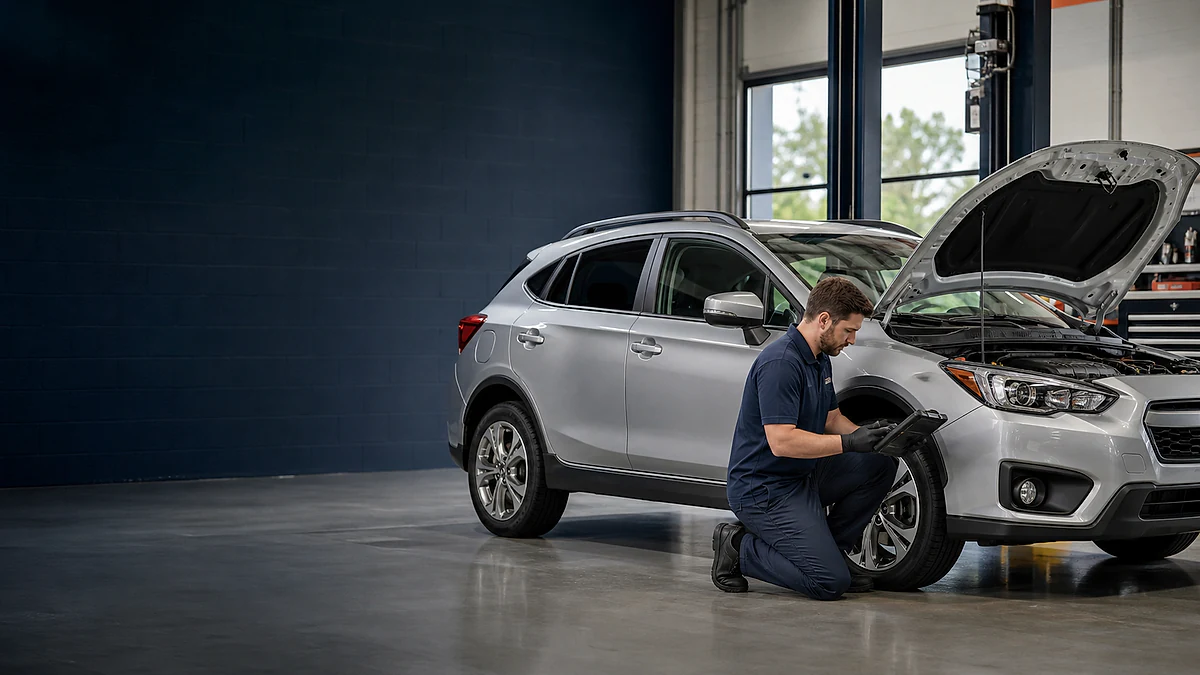
A friendly, credible seller is not a substitute for a mechanic’s opinion. Book the inspection before you get emotionally attached to the car, and treat any pushback on the request as information in itself.
Paying safely
Avoid carrying large amounts of cash to a meeting arranged online. A cashier’s check verified directly with the issuing bank, or an in-person transfer handled at your own bank, is safer than cash changing hands in a parking lot. Whatever method you use, get a signed bill of sale that lists the VIN, sale price, date, odometer reading, and both parties’ names and signatures, regardless of whether your state legally requires one.
Common scam patterns worth knowing before you shop
- A listing priced noticeably below comparable cars, paired with an urgent reason for the discount, a classic way to get buyers to move fast without checking anything.
- A “seller” claiming to be out of town, relocating, or in the military, who wants to ship the car sight-unseen after you send payment first.
- Any instruction to send money through an unfamiliar third-party “escrow” or shipping service rather than dealing with the seller directly.
- A seller who will only communicate by text or email and avoids a phone call or video chat when you ask.
Do not drive off without these last steps
Once the sale is done, a few housekeeping items protect you just as much as the diligence before it did. Confirm your insurance actually covers the car before you drive it away, many policies don’t automatically extend to a vehicle you haven’t formally added yet. Transfer the title and update the registration in your name promptly, and hold onto the signed bill of sale along with copies of the old registration and title paperwork in case any question comes up later.
Walk-away signals
- A seller who refuses to meet in person, wants to ship the car sight-unseen, or has an unusual story for why they can’t show it to you directly.
- A title that isn’t in the seller’s name with no clear, documented explanation.
- Any refusal to allow an independent inspection at a shop of your choosing.
- Pressure to pay quickly, in cash, or through an untraceable method before you’ve seen the car and the paperwork together.
- A price that seems far below comparable listings with no good explanation, often a sign something is off with the car or the deal itself.
Have a quote you want a second opinion on? Book a call and I’ll tell you what to question.
Next steps
Verify the VIN and history before you ever meet, meet somewhere safe and public, confirm the seller’s identity against the title, and don’t skip the independent inspection just because the deal feels friendly. For the full paperwork walkthrough, see how to check a used car’s history.
Sources
- FTC used-car guidance: get a vehicle history report and chec
- A professional pre-purchase inspection typically runs about
Facts on this page were last verified on .
Independent publication: the author works at Honda of Greenville, but this isn't an official Honda of Greenville or Honda Motor Co. page, and neither reviews, approves, or pays for its content. Content is educational, not mechanical, legal, or financial advice. Verify safety-critical items with a qualified technician and recall status by VIN.